ICOM IC-A25N Handheld NAV/COM Transceiver w/ Bluetooth – Open Box: Portable Aviation Radio
ICOM IC-A25N Handheld NAV/COM Transceiver w/ Bluetooth – Open Box: Portable Aviation Radio
Blog Article
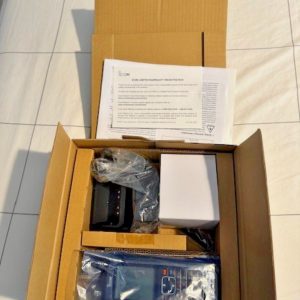
:::writingvariant="document" id="58314" ICOM IC-A25N Handheld NAV/COM Transceiver w/ Bluetooth – Open Box: Portable Aviation Radio The ICOM IC-A25N Handheld NAV/COM Transceiver w/ Bluetooth – Open Box is designed for aviation users seeking a capable portable radio that can support communication and navigation-related operations. An open-box unit can provide excellent commercial value when the radio, battery, antenna, charger, documentation, and included accessories remain complete and in suitable condition. The ICOM IC-A25N Handheld NAV offers a flexible option for private pilots, commercial operators, instructors, aviation students, and support personnel. The ICOM IC-A25N Aviation Radio offers portable flexibility for aircraft owners who do not want to rely exclusively on panel-mounted communication equipment. The ICOM IC-A25N Handheld Radio can serve private owners, instructors, students, aircraft dealers, mechanics, and airport staff who need communication away from a fixed cockpit installation. Choosing a Handheld NAV/COM Aviation Transceiver can support organized flight preparation, backup planning, and portable cockpit communication. Whether the device will function as a Handheld Aviation Radio, Aviation NAV/COM Radio, Pilot Handheld Radio, or Aircraft Communication Radio, users should become familiar with its controls before relying on it. The handheld format makes the unit relevant to buyers comparing Emergency Aviation Radio, Backup Aircraft Radio, ICOM Pilot Radio, and portable navigation communication equipment.
Exploring the ICOM IC-A25N NAV/COM Platform
A multifunction handheld radio can provide useful redundancy and flexibility for pilots who regularly operate in different aircraft or environments. Pilots often select a feature-rich handheld radio because it supports communication needs without requiring permanent installation or aircraft modification. The radio may perform very effectively in some environments while experiencing reduced range inside certain aircraft or buildings. Operators should include the radio in normal equipment checks so batteries, accessories, and settings remain ready for use.Using the ICOM IC-A25N Handheld NAV
The portable design allows pilots to become familiar with radio functions outside the aircraft before using the device in a busy operational environment. Students may practice menu navigation, frequency entry, memory organization, display interpretation, and accessory setup in a controlled setting. Pilots should verify information using suitable aviation click here references and avoid relying on one portable device for every navigation decision. Responsible operation includes checking settings, frequency steps, stored information, battery capacity, antenna security, and any paired accessories before departure.ICOM IC-A25N Aviation Radio for Pilots
An ICOM IC-A25N Aviation Radio can serve pilots who need portable communication for flight operations, aircraft delivery, training, airport coordination, or emergency preparedness. The radio may also be useful at aviation events, remote airfields, flight schools, maintenance shops, aircraft demonstrations, and airport operations areas. Current photographs should show the radio body, display, controls, connectors, antenna, battery, charger, packaging, and included components. A functional demonstration can confirm that the radio powers on, accepts charging, responds to controls, displays information, produces audio, and recognizes included equipment.Carrying the ICOM IC-A25N Handheld Radio
The handheld format allows the radio to move with the pilot between personal, rental, training, business, and club aircraft. Responsible storage preserves physical condition and improves the likelihood that the radio will function correctly when needed. Preparation outside the aircraft supports more confident, efficient, and less distracting use during actual operations. A portable radio should not be left in extreme heat, direct sunlight, freezing conditions, or damp environments for extended periods.Handheld NAV/COM Aviation Transceiver Applications
The device may be especially valuable to pilots who operate older aircraft, rented aircraft, or airplanes with limited redundancy. An open-box package may represent strong value when it includes the equipment required for immediate setup and normal use. A handheld transceiver becomes more dependable when it is included in routine preflight preparation rather than checked only during emergencies. After use, the device should be cleaned gently, charged as appropriate, disconnected from unnecessary accessories, and returned to protected storage.Maintaining a Handheld Aviation Radio
A handheld aviation device can support monitoring and communication activities from the cockpit, ramp, hangar, or operations office. The radio can also provide useful redundancy when an installed communication system experiences an unexpected problem. Radio performance can be affected by aircraft structure, cockpit location, antenna orientation, terrain, buildings, interference, weather, and distance. Users should understand local procedures before transmitting from airports, airshows, training areas, or ground facilities.Aviation NAV/COM Radio Functions
An Aviation NAV/COM Radio gives pilots portable access to communication and navigation-support features that may complement installed cockpit avionics. Important features should be practiced on the ground before the radio is used during high-workload phases of flight. The device is most effective when integrated into a disciplined aviation workflow rather than treated as a single solution for every situation. Paired accessories and Bluetooth connections should be tested so unexpected setup issues do not occur during flight.Pilot Handheld Radio Applications
A Pilot Handheld Radio offers flexibility to aviation professionals whose work involves several aircraft, airports, and operational environments. Good cockpit organization reduces workload and prevents backup equipment from becoming difficult to reach when needed. Pilots can include the handheld in periodic proficiency exercises without making unauthorized or unnecessary transmissions. Pilots may consider carrying an appropriate backup power option when supported by the equipment and mission requirements.Aircraft Communication Radio Applications
An Aircraft Communication Radio supports communication between pilots, air traffic services, other aircraft, flight instructors, and authorized ground personnel. Headset and Bluetooth accessories should be tested for microphone quality and audio clarity before operational use. Buildings and hangar structures can also reduce radio performance during ground use. The radio should be protected from impact, vibration, liquid exposure, extreme temperature, and damaged accessories.Choosing a Portable Aviation Transceiver
The device can support airport ground activities, remote-airfield operations, aircraft inspections, maintenance coordination, and flight preparation. An accessory checklist may be useful for businesses or flight schools that issue the radio to different users. Users should understand how to disconnect or change the wireless connection if audio is routed incorrectly during operation. Wireless convenience should not replace disciplined equipment checks and familiarity with standard radio controls.Aviation Communication Device Applications
Pilots should select communication equipment according to mission requirements, aircraft type, operating area, training needs, and backup planning. An open box may result from display, return, inspection, testing, damaged packaging, or another non-operational reason. Equipment logs can improve accountability when several instructors, pilots, or technicians share one transceiver. Regular updates to operating procedures may be required when accessories, paired devices, aircraft assignments, or personnel change.Choosing a Handheld Aircraft Radio
Ground teams may use appropriate handheld equipment during coordinated activities where aviation communication is required and authorized. Using the radio on the ground can preserve aircraft battery power and reduce the need to energize installed avionics solely for monitoring or coordination. The pilot should route headset cables or charging leads carefully and avoid creating loops that can snag controls or occupants. Ramp and maintenance environments can expose portable electronics to contaminants that are less common in normal indoor storage.Aviation Navigation Radio Applications
A combined navigation and communication unit can help pilots maintain familiarity with one device rather than carrying unrelated portable tools. The radio should be configured on the ground whenever possible instead of during high-workload cockpit operations. Navigation information should be cross-checked with current aviation references and suitable cockpit equipment for the planned operation. The manual and quick-reference information should be available until the pilot can use important functions confidently.ICOM Pilot Radio Applications
An ICOM handheld can become a standard part of a flight bag for pilots who regularly operate rented, shared, or personally owned aircraft. Even a well-regarded radio should be tested for power, audio, charging, display, controls, battery condition, and physical damage. Businesses may value durability, accessory replacement, consistent training, and the ability to assign one radio across several users. Pilots should record serial information, purchase details, accessory inventory, battery condition, and any warranty documentation.Emergency Aviation Radio Preparedness
An Emergency Aviation Radio can provide an additional communication option when installed aircraft equipment becomes unavailable because of electrical, equipment, or operational problems. The radio should be positioned where it can be reached without searching through baggage during an urgent situation. Pilots should evaluate whether the radio can be heard clearly in the noise environment of their aircraft. Preparedness transforms an Emergency Aviation Radio from a stored accessory into a meaningful backup communication tool.Using a Backup Aircraft Radio
A Backup Aircraft Radio provides communication redundancy for pilots who want an alternative to the primary panel-mounted transceiver. A dependable backup radio is the result of consistent preparation rather than the assumption that unused equipment remains ready. A dedicated flight-bag pocket, protective mount, or secured cockpit storage area may provide suitable access. The handheld radio should support safe aircraft management rather than draw attention away from immediate flight responsibilities.Evaluating an Open-Box Aviation Radio
Connectors and charging contacts should appear clean, straight, secure, and free from corrosion or contamination. The seller should identify whether original packaging, manuals, warranty materials, and product registration documents remain available. Functional testing should include power-on behavior, charging, control response, display operation, speaker audio, microphone function where appropriately tested, and accessory recognition. Shipment photographs can document package contents and physical condition before dispatch.Maintenance and Long-Term Radio Care
Preventive care helps preserve the display, controls, battery, housing, antenna connection, charger, and accessories. Any change in audio, charging, battery life, control response, display quality, Bluetooth operation, or power stability should be investigated.- Review the complete package and remove the radio from backup service if physical or electronic condition is uncertain.
- Review essential controls on the ground so the radio can be operated confidently without unnecessary cockpit distraction.
- Store the radio, battery, charger, antenna, adapters, and documentation in a dry, organized, protected location after use.